5 supplements that improve mitochondrial function (and why each one works)

Published Biochemical Researcher
Mitochondrial function is the ability of your mitochondria to make ATP, the energy that powers virtually every process in your body. When mitochondrial function breaks down, so do your energy, metabolism and long-term health. Research links mitochondrial dysfunction to fatigue, cognitive decline and metabolic disease. Yet most people trying to support their mitochondria are using the wrong tools or missing key rate-limiting steps. Below are five targeted compounds that address specific mechanisms inside the mitochondria, from antioxidant protection to quality control to substrate supply, and what the evidence says about each one.
| Supplement | Main role in the mitochondria | Typical dose |
|---|---|---|
| MitoQ | Mitochondria-targeted antioxidant | 10 to 20 mg |
| PQQ | Recycles NADH back into NAD+ | 20 mg |
| Lipoic acid (ALA) | Antioxidant and enzyme cofactor | 200+ mg |
| Urolithin A | Drives mitophagy (quality control) | About 500 mg |
| Alpha-ketoglutarate (αKG) | Removes a rate limiter in the citric acid cycle | 1,000+ mg |
1. What is MitoQ and how does it protect mitochondria?
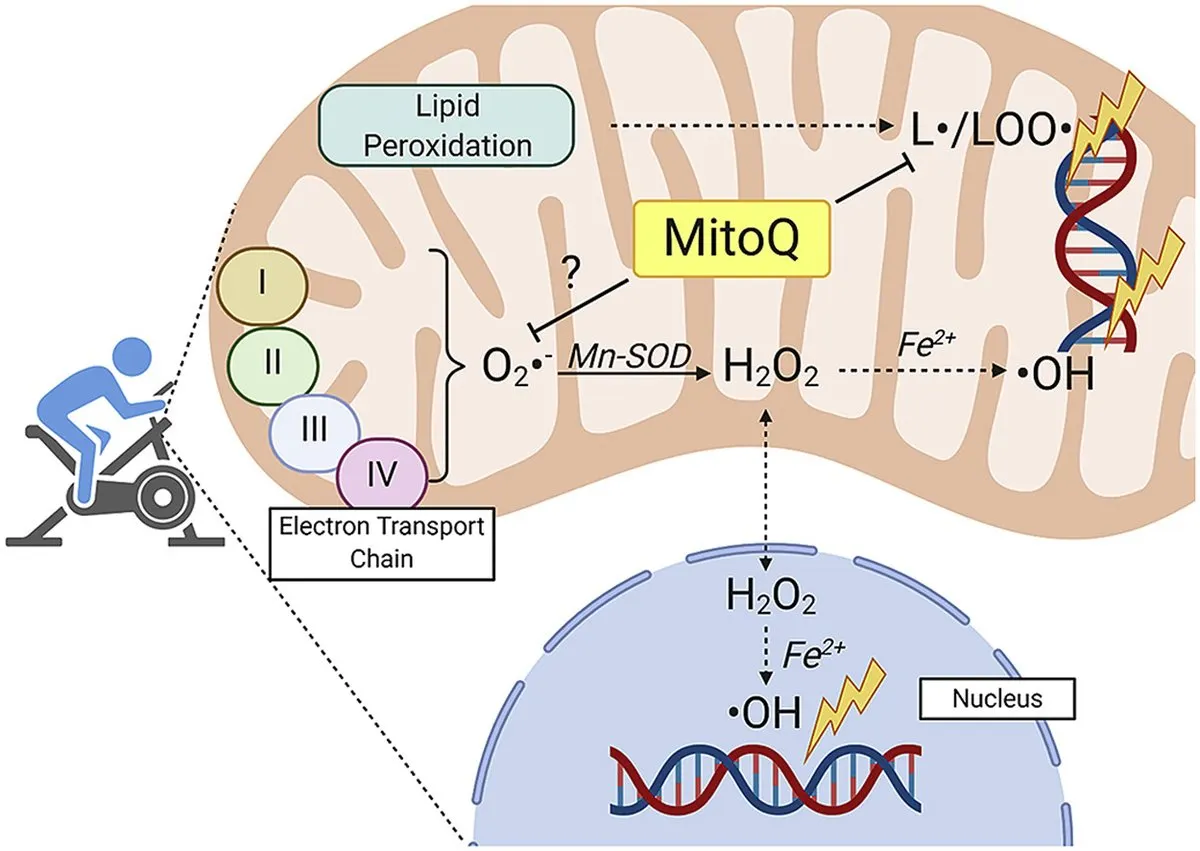
MitoQ (mitoquinone) is a modified form of coenzyme Q10, designed to help it reach the mitochondria more efficiently. This gives it some remarkable properties.

MitoQ works mainly as a mitochondria-targeted antioxidant. A shortage of antioxidants relative to reactive oxygen species inside the mitochondria can damage their structure. It can also reduce their energy output by impairing oxidative phosphorylation and ATP production.
Most antioxidants work throughout the cell. MitoQ has the unique ability to target the mitochondria specifically. It is typically dosed at 10 to 20 mg.
2. How does PQQ restore NAD+ and cellular energy?
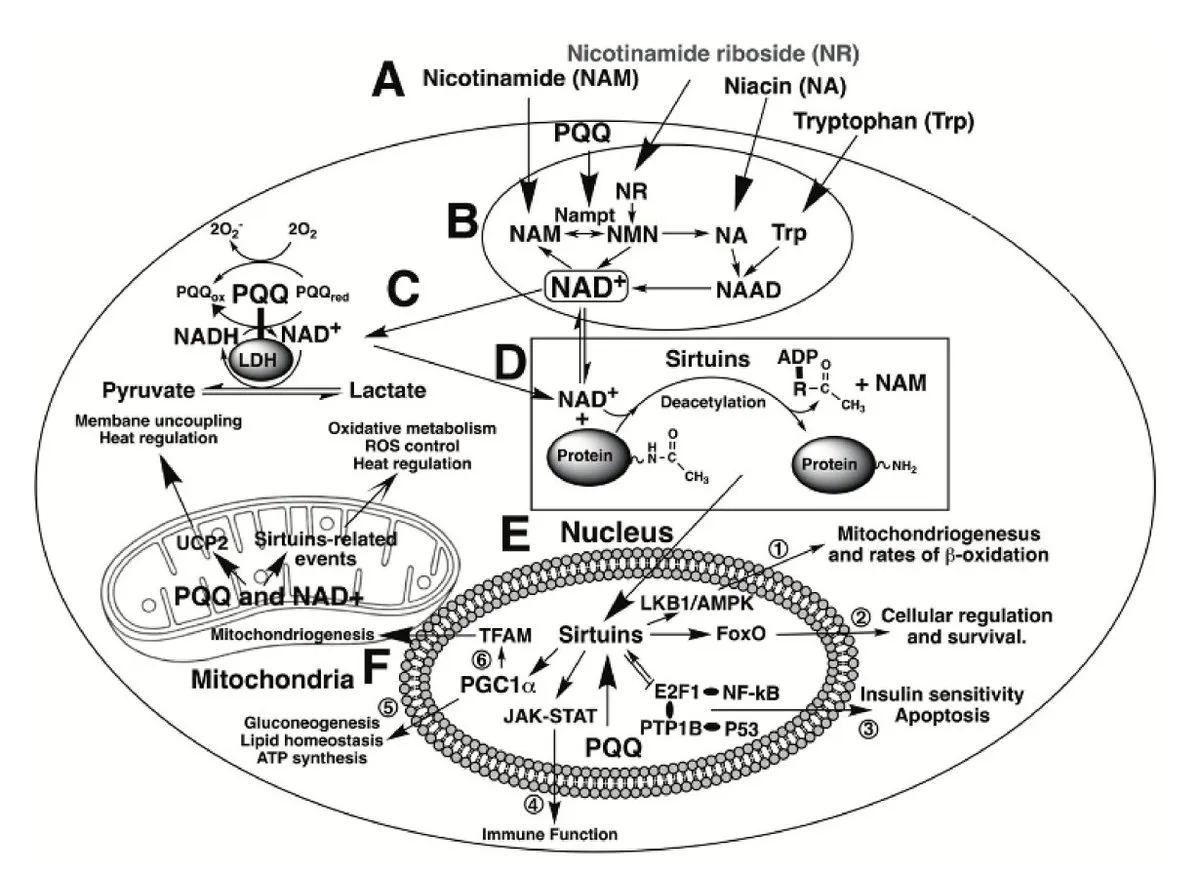
PQQ acts as a redox factor. Its antioxidant properties are very potent in lab tests. Its real power, though, comes from its ability to recycle NADH back into NAD+.
NAD+ plays a central role in allowing our cells to burn energy. It also activates factors like sirtuins, which upregulate various metabolic processes. People take NAD+ precursors like NMN and NR to replenish levels. The real issue is often that our cells get backed up with NADH and can't convert it back into NAD+. PQQ helps with exactly that. It is typically dosed at 20 mg.
Which compounds matter most depends on where your mitochondria are struggling. If you want help choosing, book a free call and we will work out what is driving your energy issues.
3. Why is lipoic acid both a cofactor and an antioxidant?
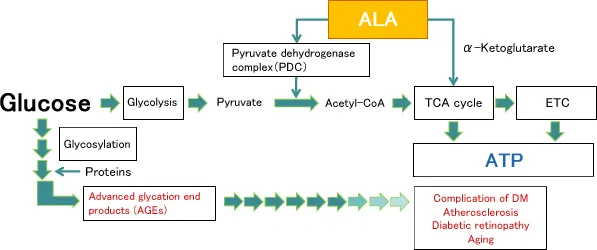
Lipoic acid (ALA) has a ton of important and overlooked properties for mitochondrial function. It serves as an antioxidant within the mitochondria. It also acts as a direct cofactor for several critical enzymes in energy generation.
Those enzymes include:
- Pyruvate dehydrogenase
- αKetoglutarate dehydrogenase
- Branched chain amino acid dehydrogenase
It is typically dosed at 200+ mg. It can lower blood sugar, so check with your doctor first if you take diabetes medication.
4. How does urolithin A support mitochondrial quality control?
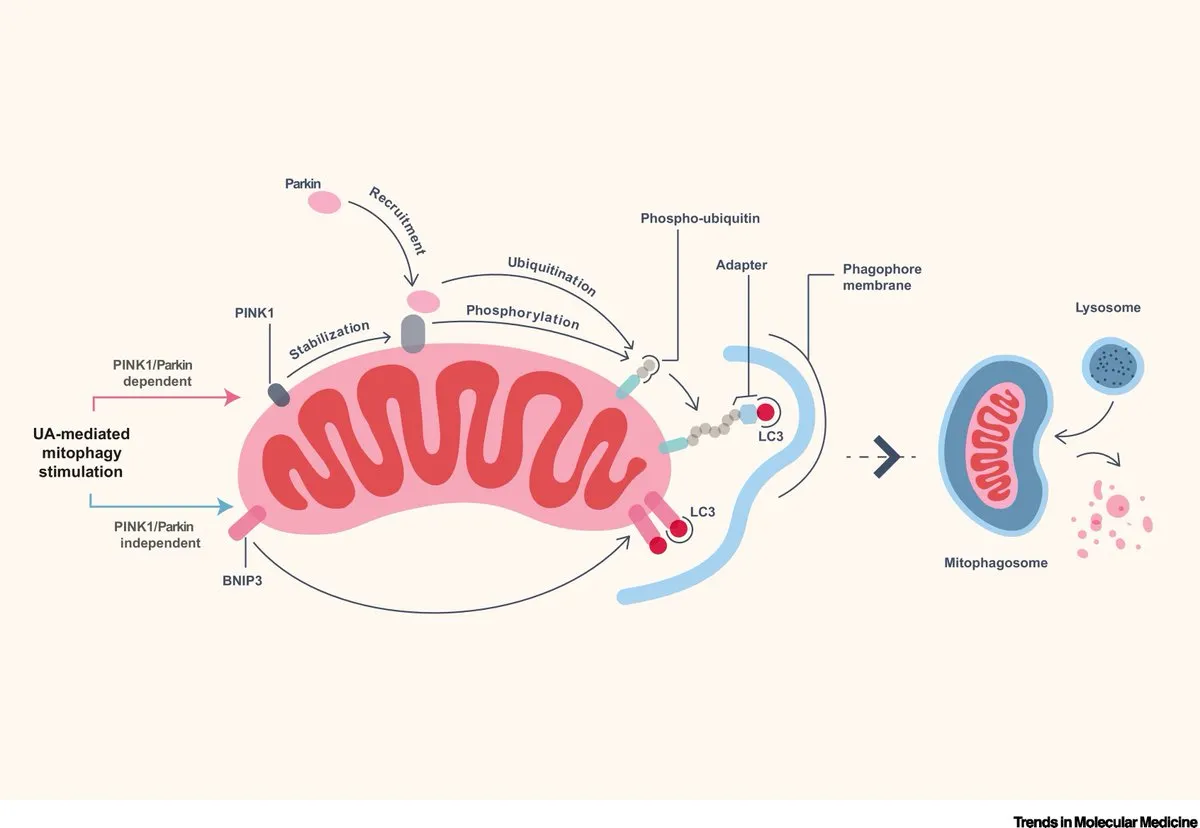
Urolithin A is formed when gut bacteria break down certain polyphenols. It mainly works by getting rid of your mitochondria. That doesn't sound good, but this is quality control.
Sometimes your mitochondria are too far gone and you need to trash them and make new ones. This process is called mitophagy. Urolithin A upregulates key proteins needed for mitophagy, clearing out damaged mitochondria so healthier ones can replace them.
Because gut bacteria produce urolithin A from dietary polyphenols, gut health directly affects how well this process works. Gut bacteria have a big say in systemic health too, which my guide to improving gut health covers.
Research on urolithin A and mitophagy has helped clarify why this quality-control mechanism matters so much for sustained mitochondrial output. Urolithin A is typically dosed at about 500 mg.
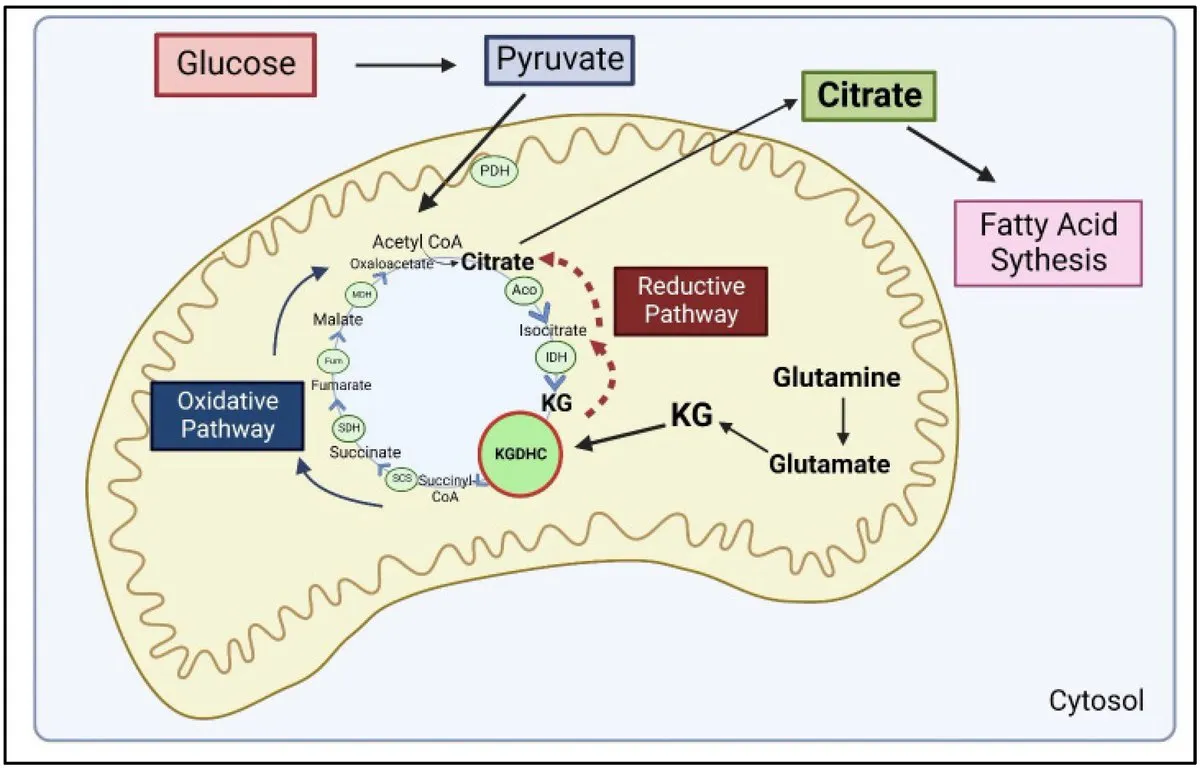
5. Why can alpha-ketoglutarate limit the citric acid cycle?
αKG is a molecule our bodies naturally form in the mitochondria during the citric acid cycle, whenever we break down food for energy. It can often become a rate limiter. That means mitochondria lack enough of it to keep pumping out energy.
This happens for a few reasons:
- Blockages at αKGDH (the enzyme that processes it)
- Conversion to glutamate and glutamine for ammonia clearance
- Use as fuel in other tissues
- Diversion toward glutathione synthesis
Without enough αKG, the citric acid cycle does not work properly and ATP production stalls. It is typically dosed at 1,000+ mg.
Are supplements enough to fix mitochondrial function?
These tools are powerful. Optimizing mitochondrial function and overall health still goes beyond a few supplements. Each of these compounds targets a specific mechanism, and knowing which ones apply to your situation matters more than taking all of them at once. If low energy is what brought you here, see why you might always be tired and how we approach fatigue.
"And, of course, my energy levels are much higher now. I can walk normally and even run, though I don't because I'm cautious. It's been years since I've felt this much energy."
Ian, 34 year old, man
Real Prism client, in their own words. Individual results vary. More client stories
Frequently asked questions about mitochondrial function
What does mitochondrial function actually mean?
Mitochondrial function refers to the mitochondria's ability to carry out processes like oxidative phosphorylation, ATP production, reactive oxygen species management, and quality control through mitophagy. When these processes break down, energy generation suffers and cellular damage accumulates.
Why does mitochondrial function decline?
Several factors contribute. These include a buildup of reactive oxygen species that outpaces antioxidant capacity, NADH accumulation that blocks energy metabolism, depletion of key substrates like αKetoglutarate, and accumulation of damaged mitochondria that should be cleared through mitophagy.
What is the difference between MitoQ and regular CoQ10?
MitoQ is a modified form of coenzyme Q10 designed to reach the mitochondria more efficiently than standard CoQ10. This targeted delivery is what gives it its antioxidant properties specifically inside the mitochondria, rather than throughout the broader cell.
Why isn't taking NMN or NR enough to restore NAD+?
The real issue is often that cells get backed up with NADH and can't convert it back into NAD+. PQQ addresses this by acting as a redox factor that recycles NADH back into NAD+, which NMN and NR do not directly do.
What is mitophagy and why does it matter?
Mitophagy is the process by which cells remove and replace damaged mitochondria. When mitochondria are too far gone to repair, they need to be cleared out so new ones can form. Urolithin A upregulates key proteins that drive this quality-control process.
How does urolithin A form in the body?
Urolithin A is formed when gut bacteria break down certain polyphenols. This means gut health and microbiome diversity directly affect how much urolithin A your body produces. That is one reason gut function has such a broad impact on energy and metabolic health.
What causes αKetoglutarate depletion in the mitochondria?
αKG can become a rate limiter due to blockages at αKGDH, conversion to glutamate or glutamine for ammonia clearance, use as fuel in other tissues, or diversion toward glutathione synthesis. Any of these can stall the citric acid cycle and reduce ATP output.
What dose of lipoic acid is typically used for mitochondrial support?
Lipoic acid (ALA) is typically dosed at 200+ mg for mitochondrial support. At this level it functions both as a mitochondrial antioxidant and as a cofactor for key energy-generating enzymes, including pyruvate dehydrogenase and αKetoglutarate dehydrogenase.
Can you take all five of these supplements together?
Each of these compounds targets a different mechanism inside the mitochondria: antioxidant protection, NAD+ recycling, enzyme cofactor support, mitophagy, and citric acid cycle substrate supply. Whether all five are appropriate depends on the individual and the specific bottlenecks in their mitochondrial function.
Related reading
If you want to know which mitochondrial bottlenecks apply to you, book a free call with us and we will build a plan around your biology.