Hypothyroidism symptoms: 20 signs people miss, from low T to hearing loss

Published Biochemical Researcher
Hypothyroidism means your thyroid gland is not making enough thyroid hormone. The most common hypothyroidism symptoms are tiredness, weight gain, feeling cold, constipation, dry skin, thinning hair, low mood, and heavy or irregular periods, according to the National Institute of Diabetes and Digestive and Kidney Diseases (NIDDK). Thyroid hormone sets the pace of metabolism in nearly every tissue, so low levels can also show up in places most people never connect to the thyroid: testosterone, sweating, speech, breathing, hearing and how often you get sick.
Below are 20 of those easy to miss signs, what the research shows for each one, which blood tests to ask for, and when to see a doctor.
What are the common symptoms of hypothyroidism?
The classic hypothyroidism symptoms listed by the NIDDK are:
- Tiredness and low energy
- Weight gain and a puffy face
- Trouble tolerating cold
- Joint and muscle pain
- Constipation
- Dry skin and dry, thinning hair
- Decreased sweating
- Heavy or irregular periods and fertility problems
- Depression
- A slow heart rate
- A swollen thyroid in the neck (goiter)
Symptoms usually come on slowly over months or years, which is why many people put them down to age or stress. Women are much more likely than men to develop hypothyroidism. In the US, the most common cause is Hashimoto's disease, an autoimmune condition where the immune system attacks the thyroid. Other causes include thyroid surgery, radioactive iodine treatment, and some medicines, such as lithium and amiodarone.
Hypothyroidism symptoms at a glance: the 20 signs people miss
This table sums up the less obvious signs covered below, and how strong the evidence is for each one. "Strong" means it is a well recognized symptom in medical guidance. "Moderate" means studies in groups of people support it. "Early" means it rests on case reports, small studies or clinical observation.
| Sign | Why low thyroid can cause it | Evidence |
|---|---|---|
| 1. Breast tissue in men | Low thyroid can raise prolactin | Early |
| 2. Low testosterone | Thyroid hormone affects the hormones that control the testes | Moderate |
| 3. Little or no sweating | Lower metabolic rate, less heat to get rid of | Strong |
| 4. Tired no matter how much you rest | Cells make less energy | Strong |
| 5. Slow speech, words on the tip of your tongue | Slower brain and nerve function | Moderate |
| 6. Water retention and puffiness | Fluid builds up in tissues | Strong |
| 7. Muscle weakness | Muscles make and use energy more slowly | Strong |
| 8. Dry skin and coarse hair | Slower skin cell turnover, less oil and sweat | Strong |
| 9. Always cold, especially hands and feet | Less body heat produced | Strong |
| 10. Enlarged tongue, snoring, mouth breathing | Tissue swelling, mainly in severe or long standing cases | Early |
| 11. Forgetfulness | Slower brain metabolism | Moderate |
| 12. Flat mood and apathy | Thyroid hormone affects brain chemistry | Moderate |
| 13. Depression | Higher odds of depression in thyroid disease | Moderate |
| 14. Constipation, or less often diarrhea | Slower gut movement, bacterial overgrowth | Strong for constipation, early for diarrhea |
| 15. Stubborn weight | Lower metabolic rate plus water retention | Strong |
| 16. Hair loss | Hair growth cycle slows | Strong |
| 17. Shortness of breath | Weaker breathing muscles, lower exercise capacity | Early |
| 18. Trouble hearing | Thyroid hormone is needed for the inner ear | Early |
| 19. Getting sick often | Possible effects on immune function | Early |
| 20. Anxiety | Linked with thyroid disorders in some studies | Moderate |
Can hypothyroidism cause man boobs and low testosterone?
Yes, in some men. Low thyroid function can raise prolactin, a hormone that can cause breast tissue growth and even nipple discharge. One case report tied subclinical hypothyroidism to high prolactin and galactorrhea. This is a single case, so it shows what is possible rather than how common it is.

Thyroid hormone also affects the hormones that control the testes. A review of the interrelationships between thyroid dysfunction and hypogonadism in men and boys describes how low thyroid function can lower testosterone levels and disrupt the hormones that drive testosterone production. If you have low testosterone, it makes sense to check your thyroid before starting TRT.

If low T is what sent you looking, start with how to increase testosterone naturally.
Can hypothyroidism stop you sweating and make you always tired?
Yes. Decreased sweating and tiredness are both on the NIDDK's list of hypothyroidism symptoms. With less thyroid hormone, your cells burn less fuel and produce less heat, so your body has less reason to sweat. If you rarely sweat even when it is warm or you exercise, that is worth mentioning to your doctor.

The same slowdown explains the fatigue. Low thyroid tiredness tends to feel like heaviness and lethargy that does not lift no matter how much you sleep or rest.

Fatigue has many possible causes, and why am I always tired goes through them.
If you're always tired no matter how much you rest, book a free call with us and we will look at whether low thyroid function is behind it.
Can hypothyroidism slow your speech?
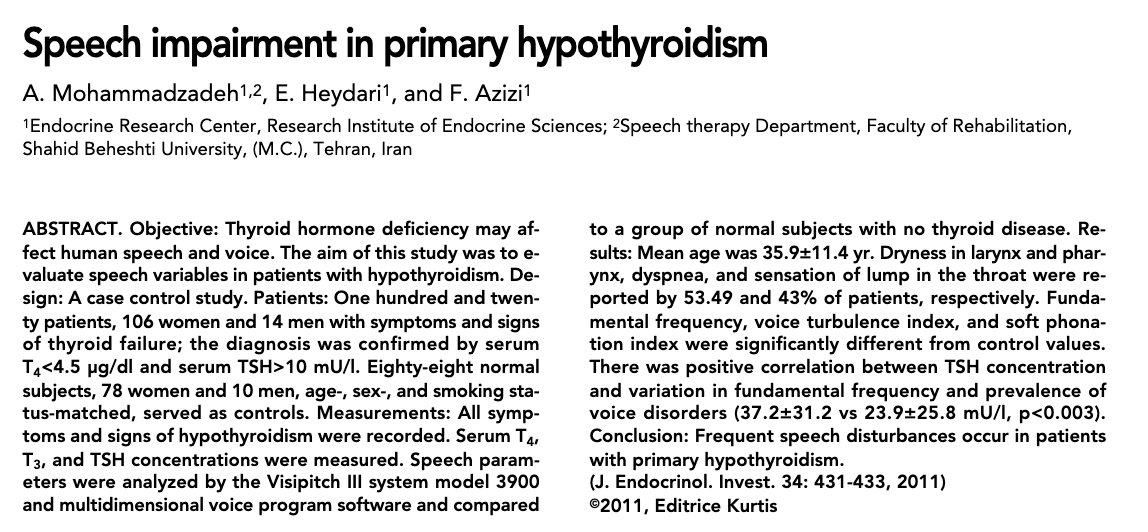
It can. Hypothyroidism tends to slow both physical and mental function, and that can show up as slower, less fluent speech, a hoarse voice, or words stuck on the tip of your tongue. Research has documented speech impairment in primary hypothyroidism.
Does hypothyroidism cause water retention, muscle weakness and dry skin?
Yes, all three are recognized signs. A puffy face, puffy eyes and a general feeling of holding extra water are common. In fact, one study found that weight loss after treating hypothyroidism was mainly excess body water rather than fat.

Muscle weakness, cramps and stiffness are also common, because muscles make and use energy more slowly without enough thyroid hormone. A review in Nature Reviews Endocrinology describes skeletal muscle weakness in hypothyroidism.

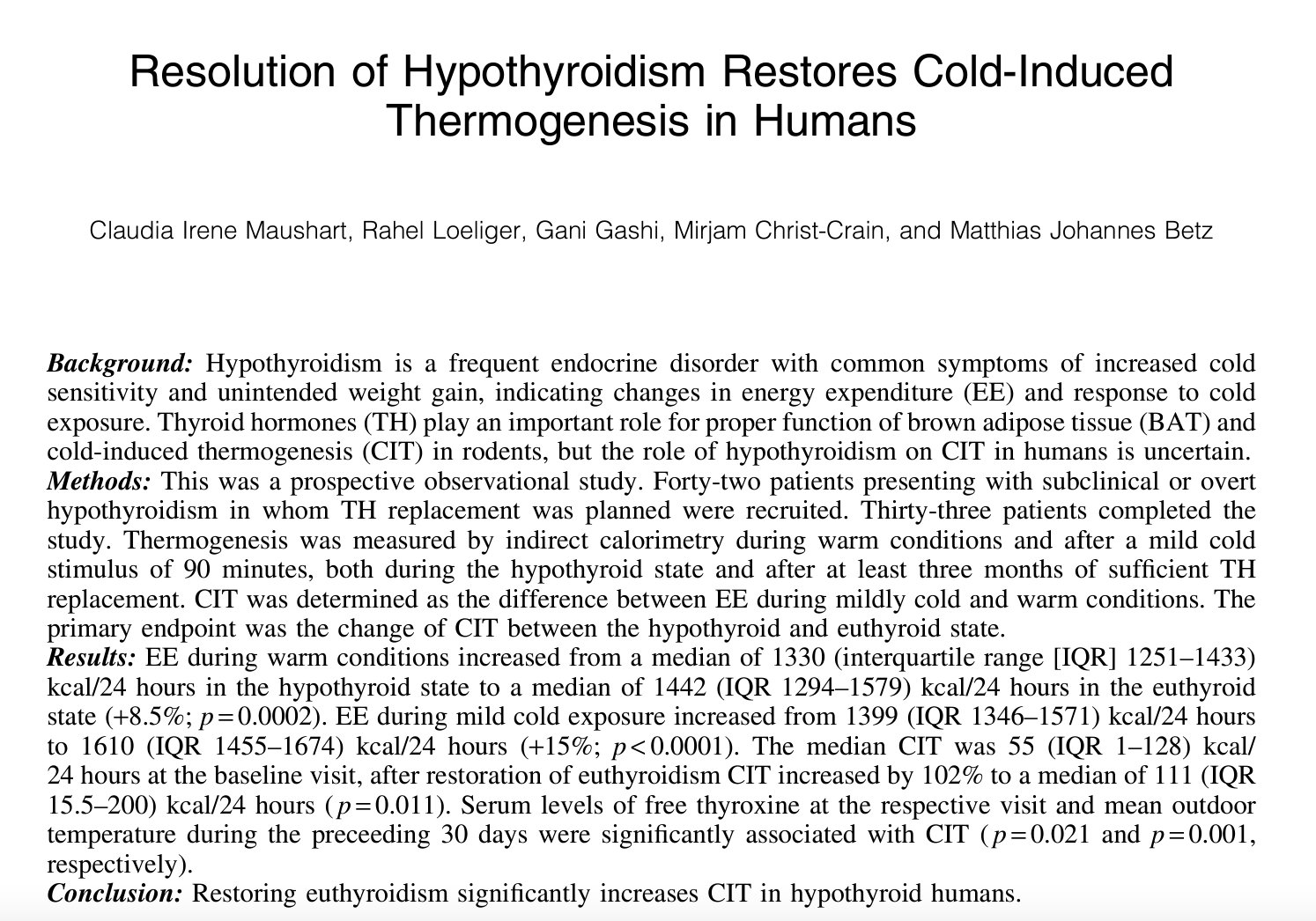
Skin often becomes dry and rough, and hair can turn coarse, dry and brittle, because skin cells turn over more slowly and make less oil and sweat.
Why does hypothyroidism make you feel cold?
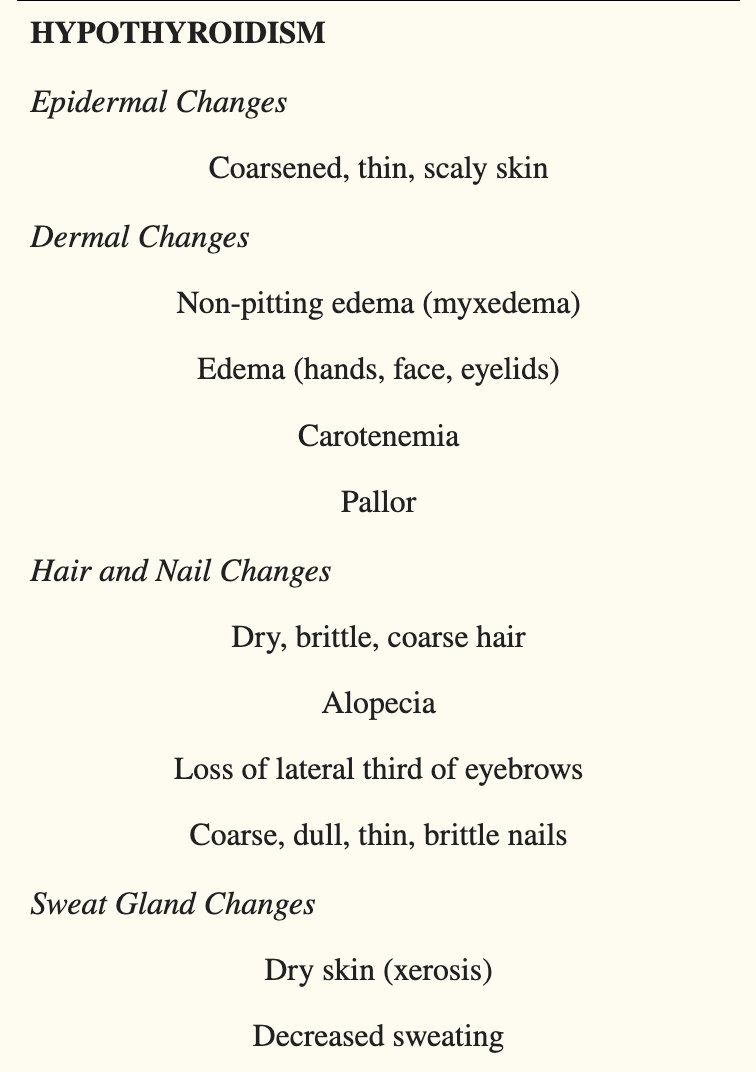
Thyroid hormone is one of the main drivers of how much heat your body makes. When it is low, you make less heat, so you feel cold in rooms other people find comfortable, often most in your hands and feet. One study found that resolving hypothyroidism restored cold-induced thermogenesis in humans, meaning the body's ability to make heat in response to cold came back once thyroid levels were corrected.
Is mouth breathing or an enlarged tongue a sign of low thyroid?
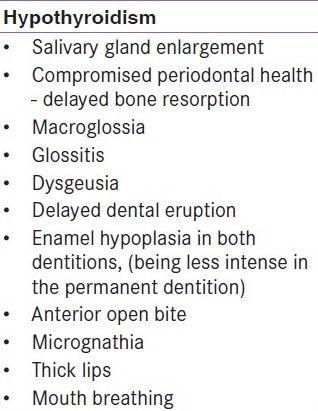
Sometimes, mainly in severe or long standing cases. Hypothyroidism can cause tissue swelling, including an enlarged tongue, which can crowd the airway and contribute to snoring and mouth breathing. An enlarged tongue and delayed tooth development are best described in babies born with congenital hypothyroidism, so in adults this is a less common sign. Mouth breathing on its own has many other causes.
Can hypothyroidism cause memory problems and depression?
Yes. Forgetfulness, trouble taking in new information, and a "foggy" feeling are common with low thyroid function, because the brain is one of the most energy hungry organs in the body.

Low mood, apathy and depression are also linked to hypothyroidism. A systematic review and meta-analysis found that subclinical hypothyroidism was associated with a higher risk of depression. If you have been diagnosed with depression, it is reasonable to ask whether your thyroid has been checked.

For the brain chemistry side of low mood and apathy, see how to increase dopamine.
If forgetfulness, flat mood or depression sound familiar, talk it through with us on a free call and we will help you work out whether your thyroid is part of it.
Can hypothyroidism cause constipation or diarrhea?
Constipation is one of the most common hypothyroidism symptoms, because thyroid hormone helps keep the gut moving. Diarrhea is much rarer, but it can happen. When the gut slows down, bacteria can build up in the small intestine. One study found small intestinal bacterial overgrowth was more common in people with hypothyroidism, and a case report described chronic diarrhea in hypothyroidism caused by bacterial overgrowth.


When the gut is the main complaint, SIBO and gut dysbiosis is the place to go next.
Can hypothyroidism make it hard to lose weight?
Yes. Weight gain is a classic symptom, and people with low thyroid often find that eating less barely moves the scale. Part of that is a slower metabolic rate and part is extra water, as the study above showed. If you have stubborn weight along with several other signs on this list, testing your thyroid is a sensible step before cutting calories further. Treatment and the before and after photos people share are covered in the treatment section below.
Can low thyroid cause hair loss?
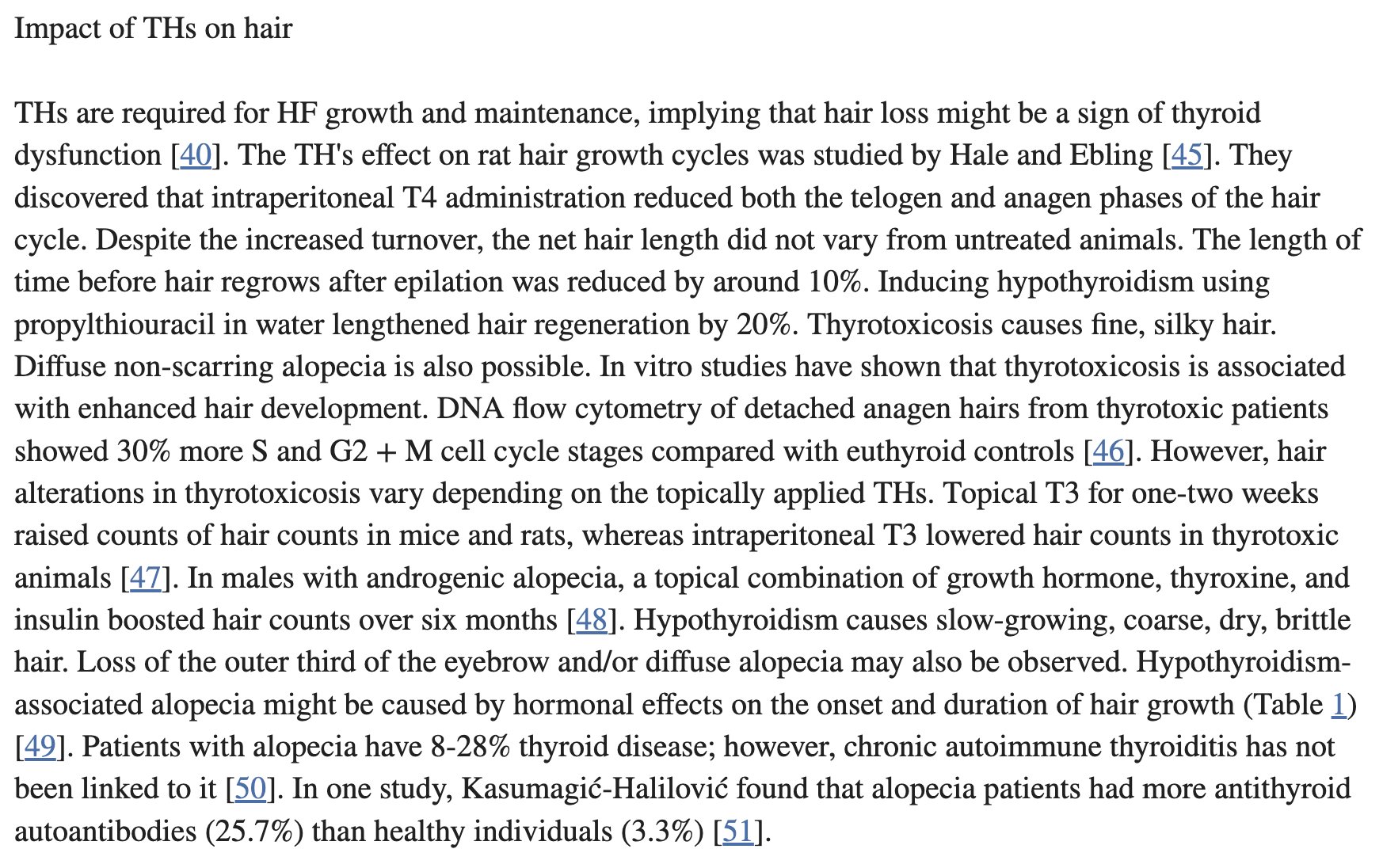
Yes. Thyroid hormone keeps the hair growth cycle moving, so low levels can cause thinning across the scalp, and sometimes thinning of the outer eyebrows. Doctors have reported cases of hair loss in hypothyroidism, and hair thinning is on the NIDDK's list of common symptoms.
Can hypothyroidism cause shortness of breath?
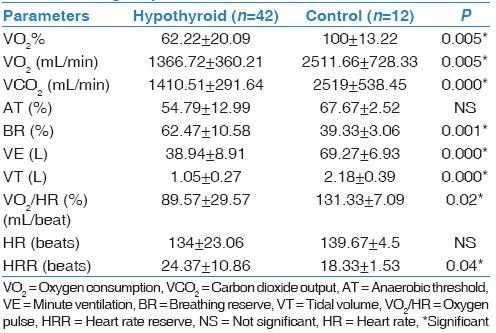
It can. Low thyroid function can weaken the muscles you breathe with and lower how well your body uses oxygen during exercise. In one study comparing 42 people with hypothyroidism to 12 healthy controls, the hypothyroid group had much lower oxygen uptake and breathing volume during an exercise test. A case report also described hypothyroidism presenting with respiratory muscle weakness. Shortness of breath has many causes, including heart and lung problems, so new or worsening breathlessness needs a medical check.
Can hypothyroidism affect your hearing?
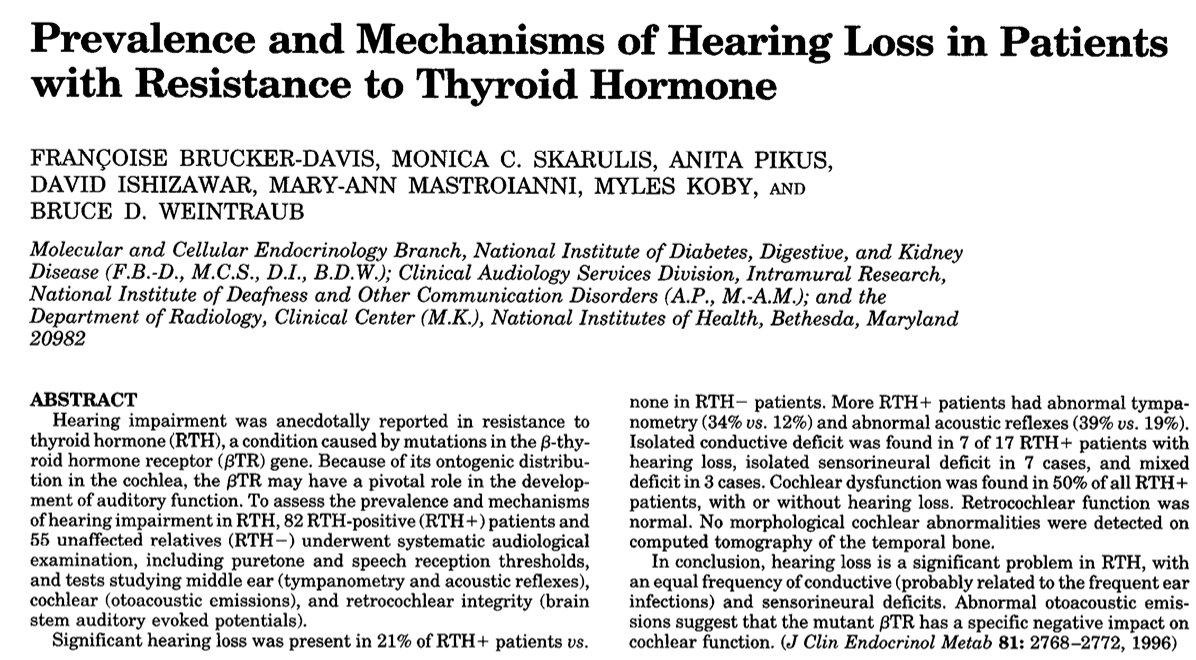
Possibly. Thyroid hormone is needed for the inner ear to develop and work properly, and hearing loss is a known feature of some thyroid conditions. Most of the research is in rarer conditions, such as a study on hearing loss in patients with resistance to thyroid hormone, where the body does not respond normally to thyroid hormone. The link in ordinary adult hypothyroidism is less clear, so treat this as a possible sign rather than a common one.
Does low thyroid make you get sick more often?
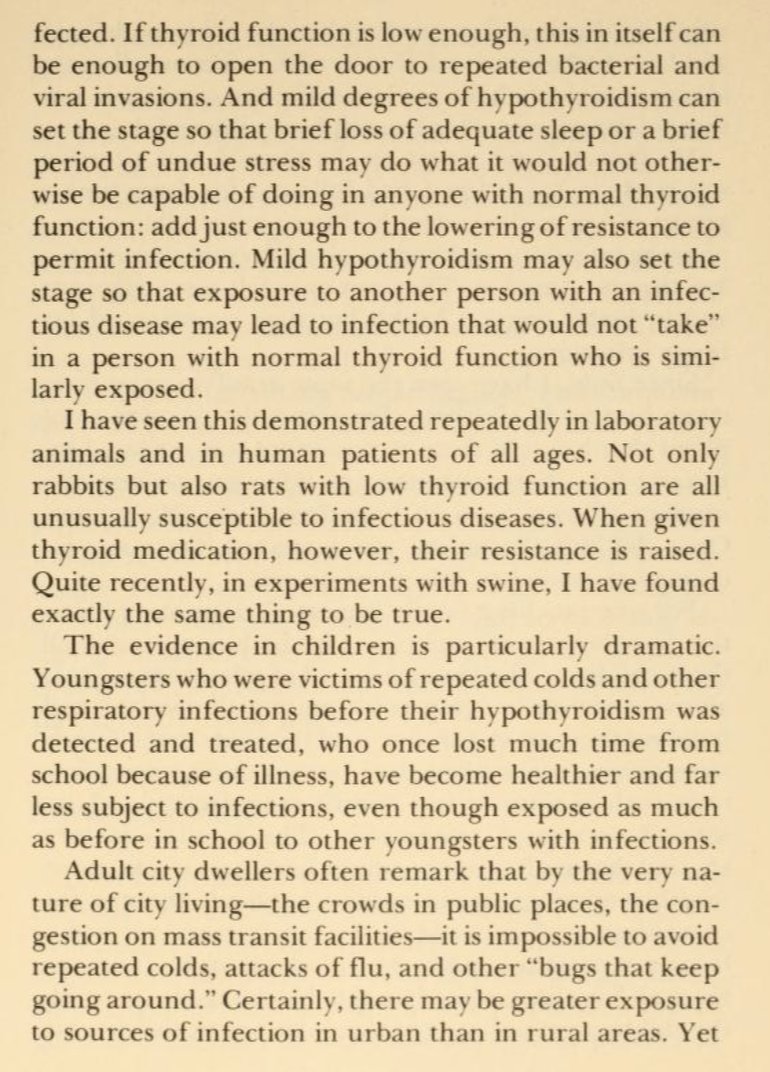
Some clinicians think so. Broda Barnes, a physician who wrote Hypothyroidism: The Unsuspected Illness (1976), noted that many of his patients who caught infections often had low thyroid function. This is clinical observation rather than a controlled trial, but it fits with the idea that immune cells, like every other cell, need enough energy to work well.


Can hypothyroidism cause anxiety?
It can. Anxiety is more often linked to an overactive thyroid, but it also shows up with low thyroid function. A study in Endocrine Journal looked at anxiety in subclinical thyroid disorders, meaning mild thyroid problems that show up on blood tests before full blown disease.

For the stress side of anxiety, see how to lower cortisol.
Getting sick all the time or living with constant anxiety deserves a closer look, so book a free call with us and we will check how your thyroid fits in.
Why does low thyroid cause so many different symptoms?
Thyroid hormone acts on almost every cell in the body and sets how fast it burns fuel. When there is not enough, energy production drops everywhere at once, which is why the symptoms can look so unrelated: the brain, gut, skin, muscles, heart and reproductive system all slow down together.
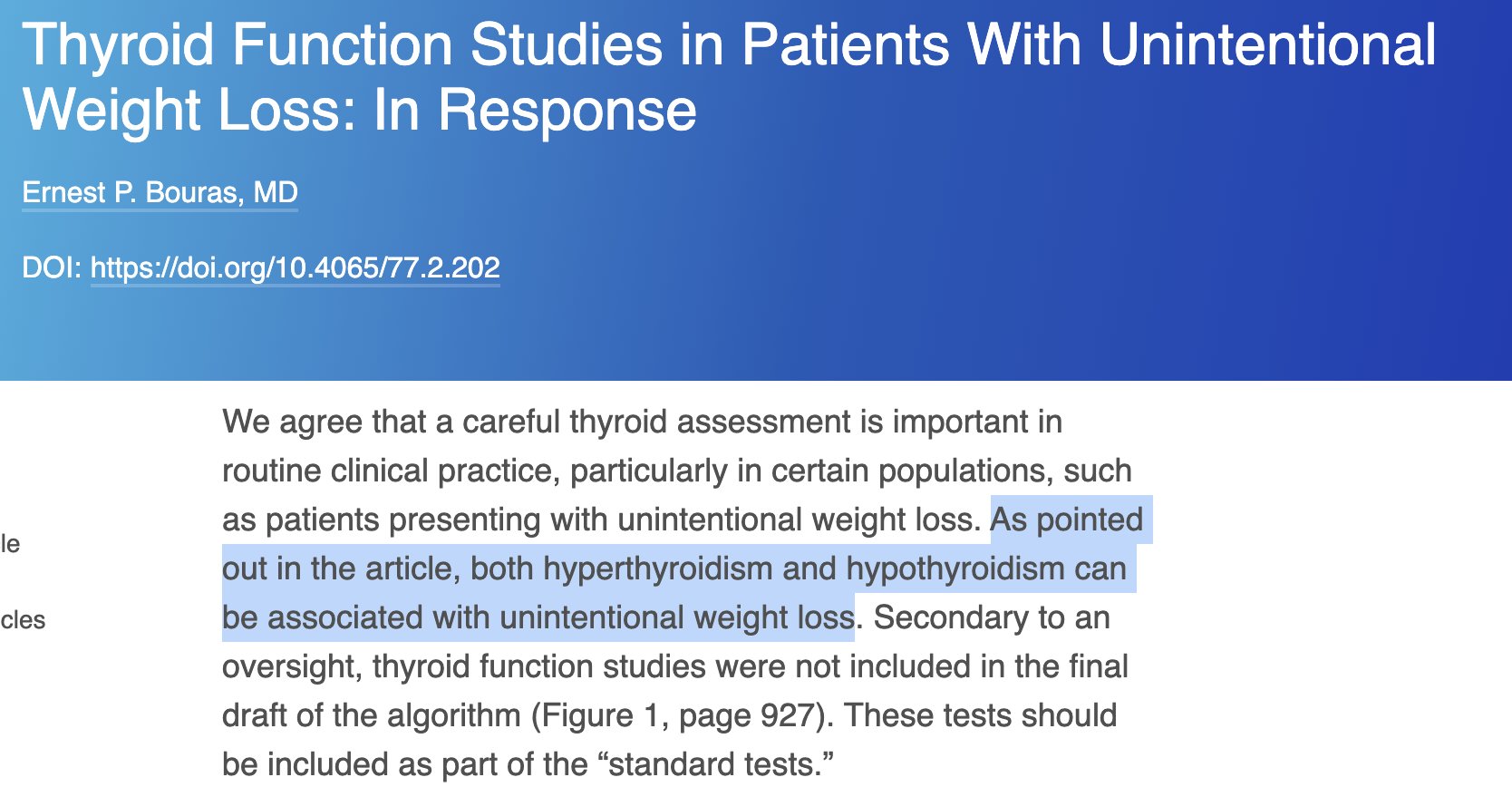
It does not only cause weight gain. Some people with low thyroid function lose their appetite and lose weight instead, especially older adults. Thyroid problems are one of the conditions doctors check for in patients with unintentional weight loss.
What blood tests check for hypothyroidism?
Symptoms alone can't confirm hypothyroidism, because almost every sign on this list has other possible causes. A blood test is the only way to know. Ask for:
- TSH (thyroid stimulating hormone). This is the usual first test. A high TSH means your brain is pushing a sluggish thyroid to work harder.
- Free T4. The main hormone your thyroid makes. Low free T4 with a high TSH confirms hypothyroidism.
- Free T3. The active form of thyroid hormone. TSH alone does not show how much active hormone reaches your tissues.
- Thyroid antibodies (TPO and thyroglobulin antibodies). These show whether Hashimoto's disease is the cause.
A high TSH with a normal free T4 is called subclinical hypothyroidism. It is common, and it can still come with symptoms. For more on why TSH alone can miss low thyroid function, see how to fix thyroid function naturally.
How is hypothyroidism treated?
The standard treatment is levothyroxine, a synthetic form of T4. The American Thyroid Association's treatment guidelines recommend it as the first choice and do not recommend natural desiccated thyroid (NDT) as a first line treatment, mainly because there are few long term trials of NDT. NDT is made from dried animal thyroid glands and contains both T4 and T3. Some people, including me, feel better on it than on T4 alone.
Here are some before and after photos people have shared from using natural desiccated thyroid:


Photos shared publicly by people using natural desiccated thyroid. Individual results vary, and weight change can have many causes besides thyroid treatment.
Thyroid hormone is a powerful hormone, and dosing should be based on your symptoms and blood tests with a clinician involved. My full approach to dosing and monitoring is in my guide on how to fix thyroid function naturally and use desiccated thyroid.
"It turns out that the b vitamins I was taking were both preventing me from taking an adequate dose of thyroid and were stopping me from sleeping through the night. I took those b vitamins for YEARS."
Lincoln, 48 year old, man
Real Prism client, in their own words. Individual results vary. More client stories
Is it safe to take thyroid hormone, and when should you see a doctor?
Thyroid hormone, including NDT, is generally safe when the dose is right and monitored, but too much can cause real harm. Signs of taking too much include:
- A fast, pounding or irregular heartbeat
- Anxiety, shakiness or trouble sleeping
- Feeling hot and sweating a lot
- Unplanned weight loss
Over the long term, too much thyroid hormone can raise the risk of atrial fibrillation (an irregular heart rhythm) and bone loss, especially in older adults. A few practical rules:
- Get tested before you start, and recheck TSH and free T4 about 6 to 8 weeks after any dose change.
- Take thyroid hormone away from calcium, iron and antacids, which can block its absorption.
- Talk to a doctor first if you have heart disease, are over 65, are pregnant or trying to get pregnant, or already take thyroid medicine.
- Do not stop prescribed thyroid medicine without talking to your doctor.
See a doctor promptly if you have several of the symptoms in this article, a swelling in your neck, or symptoms that are getting worse. Get urgent care for chest pain, a racing or irregular heartbeat, fainting, or severe drowsiness and confusion.
FAQ: Hypothyroidism Symptoms
What are the first signs of hypothyroidism?
The first signs of hypothyroidism are usually tiredness, feeling cold, weight gain, constipation and dry skin. They come on slowly, often over months or years, so many people put them down to age or stress. A TSH and free T4 blood test is the only way to confirm it.
What are hypothyroidism symptoms in women?
Women get the same core hypothyroidism symptoms as men, such as tiredness, weight gain and feeling cold, plus heavy or irregular periods and trouble getting pregnant. Women are much more likely than men to develop hypothyroidism, often because of Hashimoto's disease.
What are hypothyroidism symptoms in men?
Men with hypothyroidism can have low testosterone, low sex drive, breast tissue growth from raised prolactin, fatigue, weight gain and muscle weakness. Because low thyroid can lower testosterone, men with low T should have their thyroid checked before starting TRT.
Should I check my thyroid before starting TRT?
Yes. Hypothyroidism can lower testosterone, so a low T result may partly reflect a thyroid problem. Checking TSH, free T4 and free T3 before starting TRT can reveal a fixable cause.
Can hypothyroidism cause both constipation and diarrhea?
Yes, though constipation is far more common. Low thyroid slows the gut, which causes constipation. That slowdown can also let bacteria overgrow in the small intestine (SIBO), which in some people causes diarrhea instead.
Can hypothyroidism make you underweight instead of overweight?
Yes, sometimes. Most people with hypothyroidism gain weight, but some lose their appetite and lose weight, especially older adults. Thyroid problems are one of the causes doctors check for in unexplained weight loss.
What blood tests check for hypothyroidism?
The main tests are TSH and free T4. Free T3 shows how much active thyroid hormone you have, and TPO and thyroglobulin antibodies show whether Hashimoto's disease is the cause.
Why does hypothyroidism cause so many different symptoms?
Thyroid hormone sets how fast nearly every cell in the body uses energy. When it is low, the brain, gut, skin, muscles, heart and reproductive system all slow down together, so symptoms can appear almost anywhere.
Optimizing thyroid function is what we do at Prism, so if several of these hypothyroidism symptoms sound like you, book a free call and we will help you find the root cause behind yours.