How to reverse fatty liver: stress, gut inflammation, seed oils and the nutrients that clear liver fat
Published Biochemical Researcher
Fatty liver is a buildup of extra fat inside the liver, caused by more fat coming into the liver than it can burn or send back out. Around 40% of people have a fatty liver, and most don't even know it. You can have it even if you're skinny. Left alone, it can progress to cirrhosis and liver failure in some people. Before you can work out how to reverse fatty liver, you need to know how the fat gets there. Here's how it happens, and what to do to fix it.
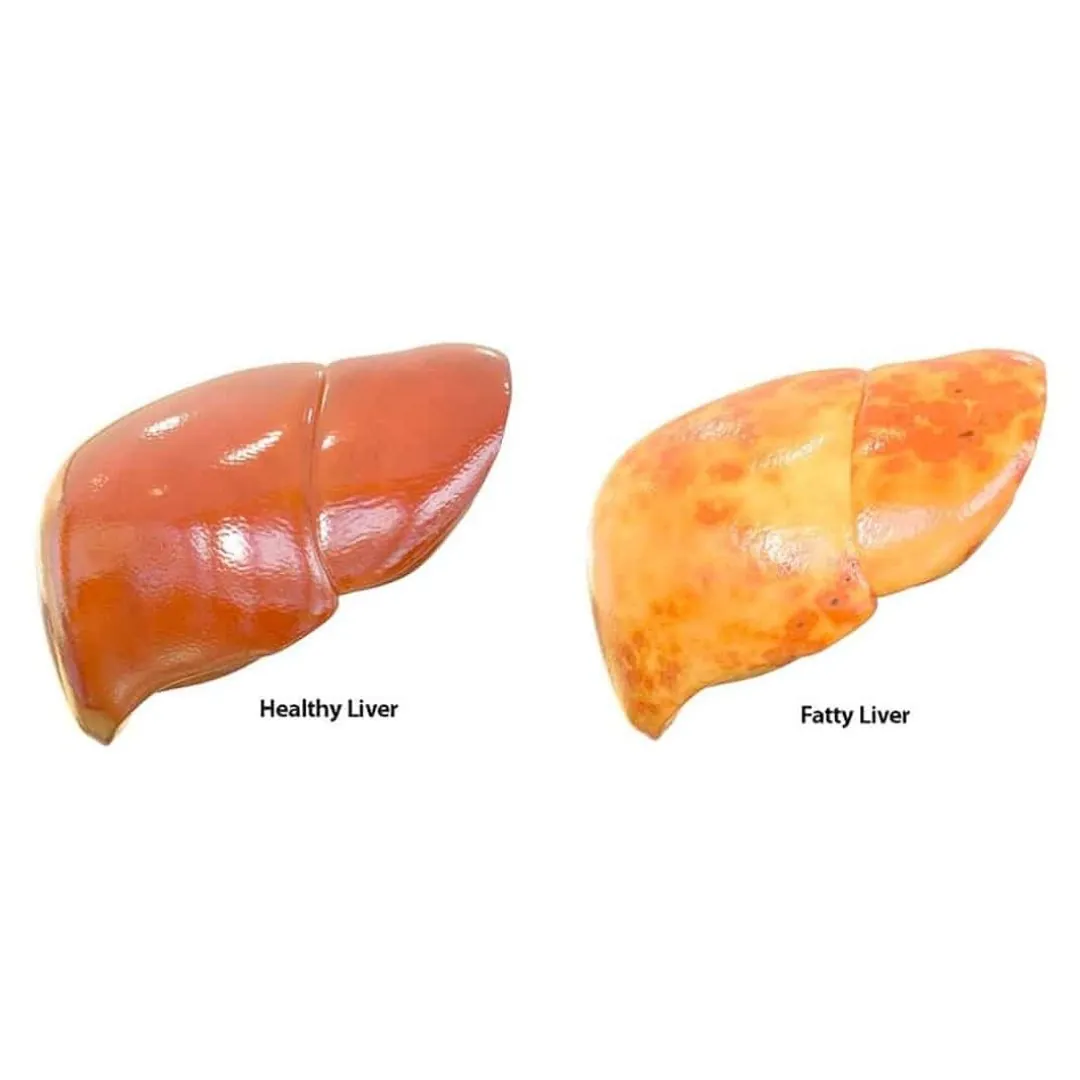
What is fatty liver and how does it happen?
The liver is the body's central hub for metabolism, including that of fat.
The problems arise when the liver has more fat than it can deal with.
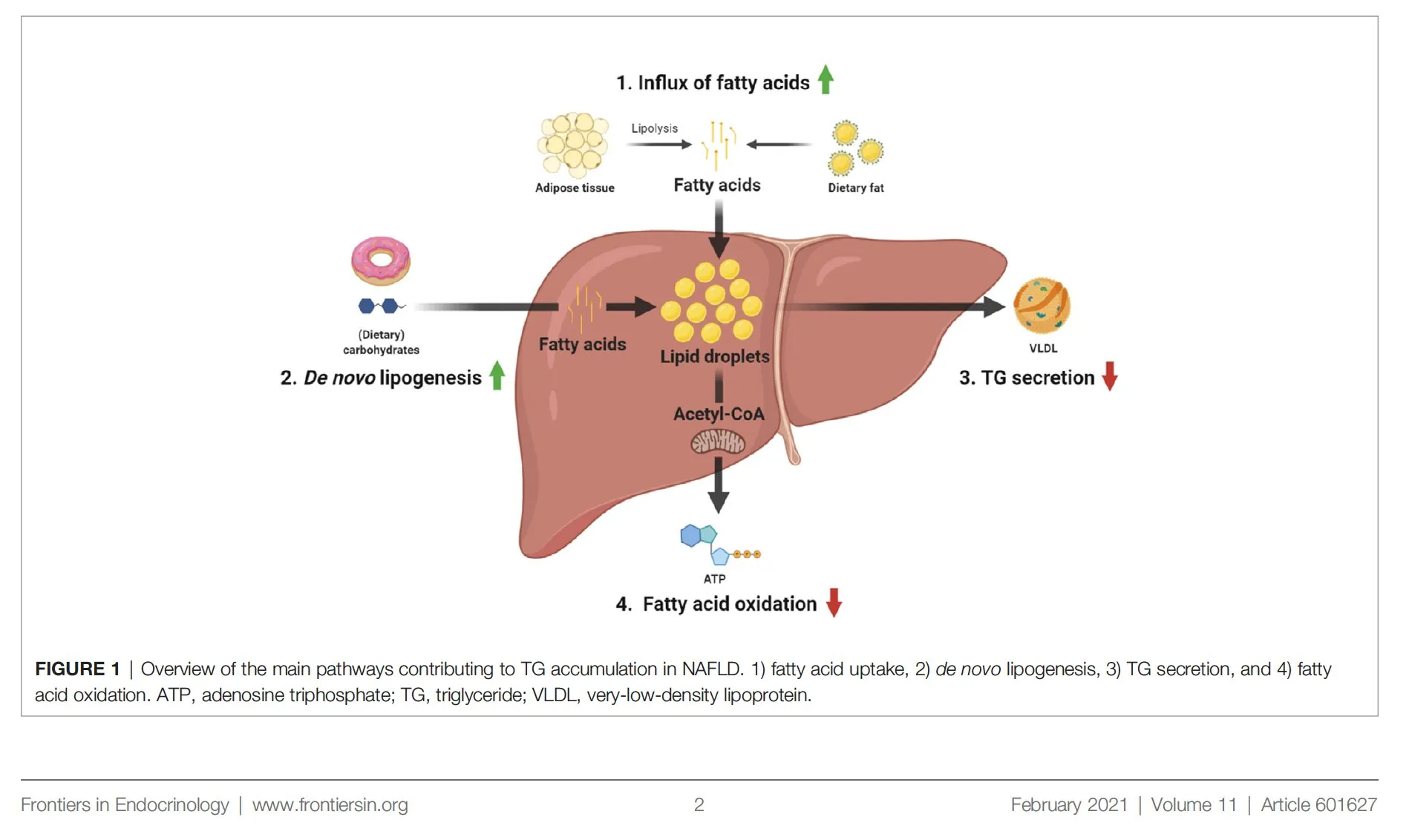
There are 3 sources of fat the liver deals with. Two of them are:
- Fat it makes from carbs
- Free fatty acids from the fat tissue
There are 2 ways the liver can get rid of fat:
- Burn it for energy
- Send it back into the blood for other organs
If more fat comes in from those sources than goes out those 2 ways, you get a fatty liver. Pretty simple. It's an imbalance of fat metabolism in the liver.
But what actually causes this imbalance?
How does stress put fat in your liver?
Most of the fat in fatty liver disease is free fatty acids (or non-esterified fatty acids, NEFA).
These fatty acids are released from the fat tissue, including during stress, and get taken up by the liver. Source: Sources of fatty acids stored in liver and secreted via lipoproteins in patients with nonalcoholic fatty liver disease, Journal of Clinical Investigation, 2005.

Since most liver fat comes from the fat tissue, and that gets released during stress, lowering stress is absolutely vital for solving fatty liver disease.
I cover how to bring chronic stress down in our complete guide to stress.
If you think stress may be part of your fatty liver, book a free call with us and we will help you track down the root causes.
How is the gut connected to fatty liver?
Inflammation drives liver fat production
Your liver does make fat from carbs, but:
- This is normally a negligible portion (5-10%) of the fat in the liver
- Inflammation is what causes MORE fat to be produced from carbs
Specifically, research has tied this extra fat production to inflammation from bacteria in the gut.

Can probiotics help fatty liver?
In one study of children with fatty liver, probiotics reversed it in about half of them.
Because the gut is such a key chronic source of inflammation, using Lacto/Bifido probiotics can actually reduce liver fat.
Probiotics can reduce the systemic inflammation ("leaky gut") from gut bacteria.

Optimizing gut function is also a top priority when it comes to fixing fatty liver. If you haven't read our complete guide to fixing your gut, you ought to. My post on how your gut bacteria control your metabolism picks up where that leaves off.
Serotonin and fatty liver disease
One study linked serotonin to fatty liver disease.
Serotonin is produced in the gut in response to inflammatory / irritating stimuli. It gets released into the blood, where in mice it drives fatty liver.
A lot of fatty liver starts in the gut.

I go into more on serotonin and the gut in my guide to dopamine, gut health and the serotonin problem.
Does cortisol turn carbs into liver fat?
Research shows cortisol drives liver fat production.
Once again we see that dietary carbs are not necessarily the enemy, but the underlying state of the body can start turning carbs into fat more.
There's actually a condition called glucocorticoid induced fatty liver for this reason.

To bring cortisol down, start with how to lower cortisol and calm chronic stress.
How do oxidative stress and zinc affect fat export from the liver?
Oxidative stress is a primary cause of fatty liver disease.
The liver cannot export fat properly with sufficient oxidative stress. This keeps fat in the liver.

Superoxide dismutase is dependent on both copper and zinc.
Many people are OK on copper but low on zinc, which can lead to oxidative stress and thus fatty liver.
Autophagy protects against fatty liver
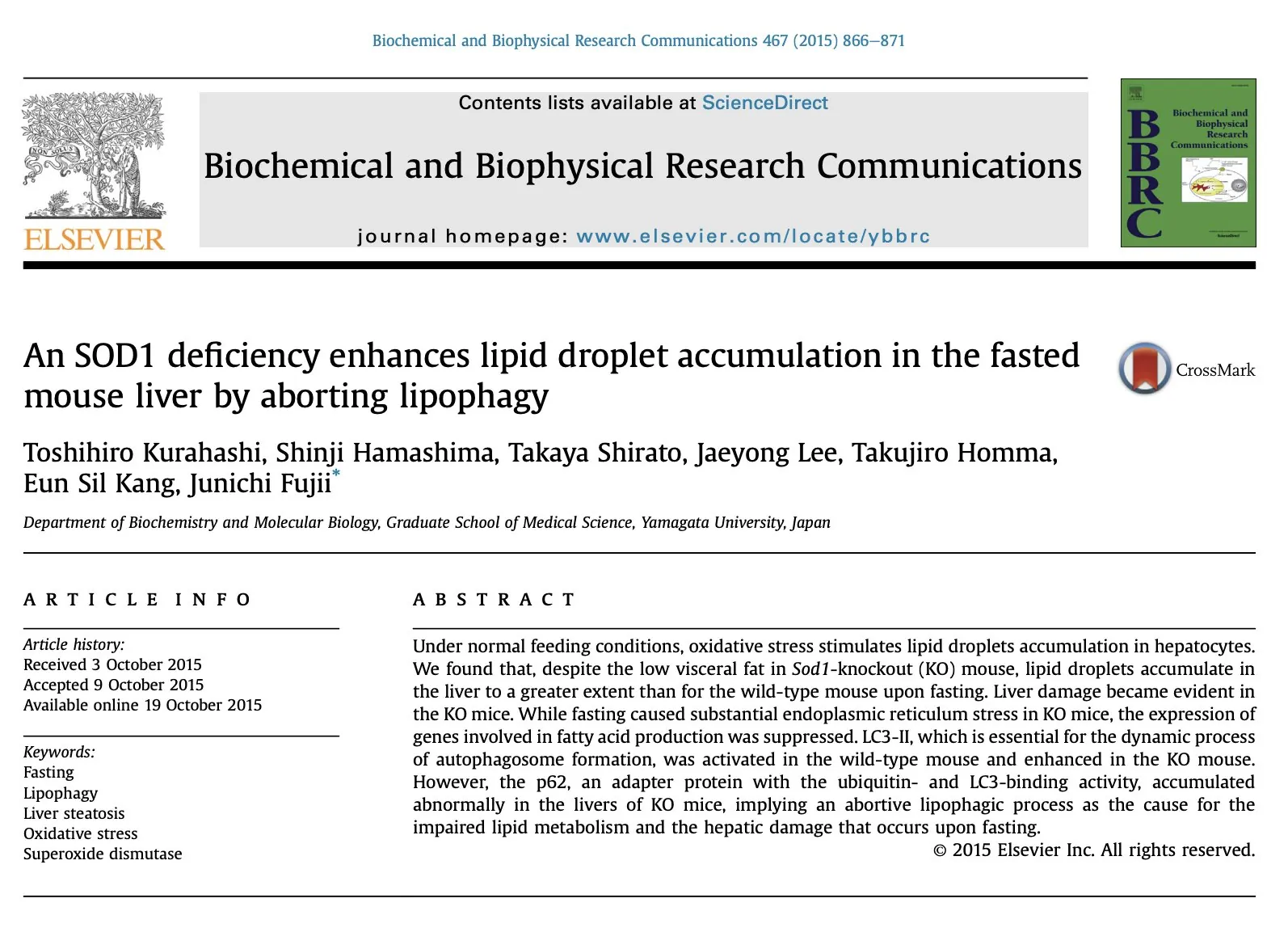
Research has also shown superoxide dismutase to be vital for lipophagy, the process by which cells degrade fat properly so they can burn it.
Without lipophagy, the liver's capacity to burn fat is impaired.
Can caffeine and coffee help fatty liver?
Research in mice has found caffeine reverses fatty liver disease by inducing autophagy.
Caffeine may be one of the most protective things for your liver.
It helps the liver shed its fat very effectively, and this is partially because it helps induce lipophagy.

Coffee is literally known as the magic bean for liver diseases for this reason.
In large observational studies, coffee drinkers have lower rates of nearly every liver disease you can think of.
Cortisol, low zinc and oxidative stress can all block the liver from clearing fat. If you want to know which ones apply to you, book a free call and we will look at your labs and history.
Do seed oils cause fatty liver disease?
Research in rats has found seed oil fats are required for alcohol-related fatty liver to develop.
In fact, nonalcoholic fatty liver disease was only named in 1980, during the same decades that seed oil intake climbed.
The oxidative damage of the fats in seed oils is what damages the liver and impairs fat export.

Beef tallow vs corn oil
In rat research on alcoholic fatty liver disease, beef tallow prevented it. Corn oil caused severe liver damage.
In fact, supplementing pure saturated fat can reverse liver disease in animals.

Does removing seed oils reverse fatty liver?
In one study of 24 people with early fatty liver, a 6-month diet that cut linoleic acid, the main fat in seed oils, to about 4% of calories resolved the fatty liver in every single patient. The diet also cut calories, so weight loss played a part too.
The metabolites of linoleic acid are markers of liver disease.

Vitamin E is the antidote to seed oils
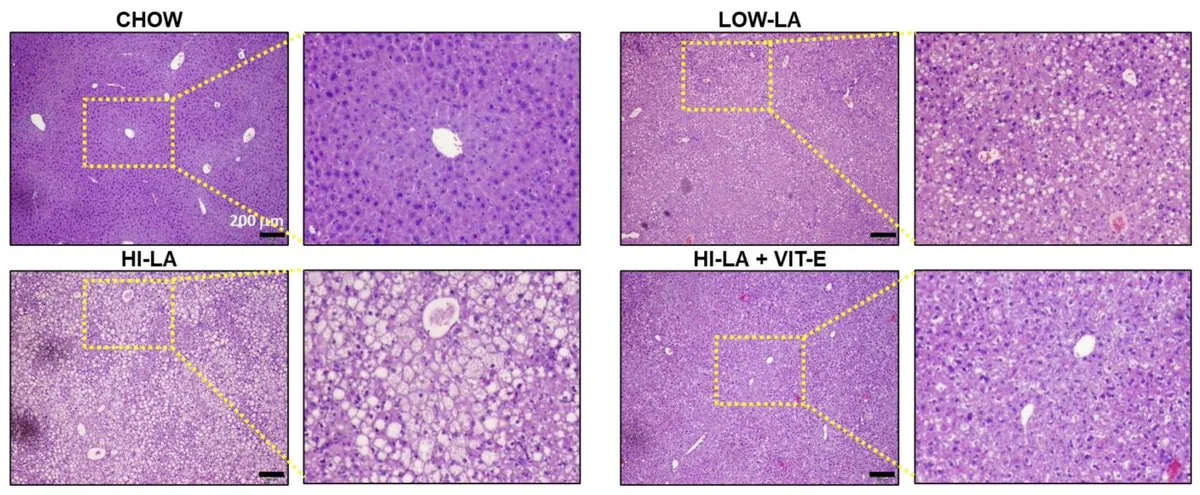
Seed oils can cause fatty liver, and vitamin E may reverse it.
Vitamin E is essentially the antidote to seed oils.
In one study, a high linoleic acid (LA, the main fat in seed oils) diet induced obesity and fatty liver. Adding in vitamin E stopped both. Source: Ability of high fat diet to induce liver pathology correlates with the level of linoleic acid and vitamin E in the diet, PLOS ONE, 2023.
How to reverse fatty liver with light and nutrients
Infrared light
Research in mice has found infrared light can reverse fatty liver.
A major chunk of the sun's energy is dissipated as infrared radiation, and this type of energy:
- Reduces inflammation
- Improves fat burning

Red, near infrared and infrared light sources have incredible protective effects on oxidative stress and inflammation. And if you want the numbers, read about the red light therapy trial that improved every marker of fatty liver disease.
Taurine
Taurine is another important antioxidant nutrient. It also:
- Improves mitochondrial function
- Inhibits fat synthesis
All of which help heal the liver.
In one study, taurine reversed fatty liver even without weight loss.

Taurine is one of my favorites, and you can read more about what taurine does for the brain.
Low dose vitamin K2
Research in animals found low dose vitamin K2 reversed fatty liver disease. Less than 1 mg (human equivalent dose) MK-7 daily completely protected and regenerated the liver.
K2 acts as an aid in the mitochondrial chain, improving fat metabolism in the process. Source: Vitamin K2 protects mice against non-alcoholic fatty liver disease induced by high-fat diet, Scientific Reports, 2024.

Aspirin
In a recent clinical trial, aspirin improved fatty liver, too. Daily aspirin raises bleeding risk and interacts with blood thinners and other drugs, so only use it with your doctor. It:
- Inhibits fat release from the fat tissue
- Lowers inflammation
Both of which are important for protecting the liver.

Methionine and choline
The nutrients methionine and choline are both vital for preventing fatty liver, too.
In fact, a methionine + choline deficient diet is one of the most common ways to induce fatty liver disease experimentally. Source: Multi-technique comparison of atherogenic and MCD NASH models highlights changes in sphingolipid metabolism, Scientific Reports, 2019.

Vitamin B1 (thiamine)
Vitamin B1 improves fatty liver disease.
In one animal study, injecting 50 mg (human equivalent dose) of Thiamine HCl completely protected the liver from fat and damage.
B1 is critical for systemic energy metabolism and detoxification/antioxidant status. Source: High-dose vitamin B1 therapy prevents the development of experimental fatty liver driven by overnutrition, Disease Models and Mechanisms, 2021.

I break down vitamin B1 and its role in energy production in my guide to fatigue.
Taurine, K2, B1, vitamin E and choline all play a role, and the right mix depends on you. Book a free call if you want a liver plan built around your own labs and symptoms.
What has research found for each option?
Here is a quick summary of the options covered above and the kind of research behind each one.
| Option | What it may do | Type of research |
|---|---|---|
| Probiotics | Reduce gut inflammation and liver fat | Study in children |
| Caffeine | Help the liver shed fat by inducing lipophagy | Mice |
| Removing seed oils | Lower linoleic acid, which drives liver fat | Human and animal studies |
| Vitamin E | Stopped fatty liver on a high linoleic acid diet | Mice |
| Infrared light | Reduce inflammation and improve fat burning | Mice |
| Taurine | Reversed fatty liver even without weight loss | One study |
| Low dose vitamin K2 | Protected and regenerated the liver | Animals |
| Aspirin | Lower fat release and inflammation | Clinical trial |
| Vitamin B1 | Protected the liver from fat and damage | Animals |
How do you test for fatty liver?
The main way of testing for fatty liver is through imaging, like ultrasound, FibroScan, MRI or CT scans.
You can measure liver function with a CMP (metabolic panel, 18 biomarkers), but these cannot rule it out, and are more indicative of later stage liver damage.
For how to read those results properly, see the right way to use and assess lab testing.
Frequently asked questions
Can you have fatty liver if you're skinny?
Yes. Around 40% of people have a fatty liver, and you can have it even if you're skinny. Most people don't even know they have it.
What causes fatty liver?
Fatty liver is an imbalance of fat metabolism in the liver. More fat comes in than the liver can burn or send back into the blood. The vast majority of liver fat is free fatty acids released from the fat tissue, including during stress. Gut inflammation, serotonin, cortisol, oxidative stress and seed oils all drive it further.
Do carbs cause fatty liver?
Not necessarily. Fat made from carbs is normally a negligible portion (5-10%) of the fat in the liver. Inflammation from gut bacteria and cortisol are what cause more fat to be produced from carbs.
How do you reverse fatty liver?
Lower stress, optimize gut function and remove seed oils. Research has also found that probiotics, caffeine, vitamin E, infrared light, taurine, low dose vitamin K2, aspirin and vitamin B1 can improve or reverse fatty liver, and that methionine, choline and zinc are needed to prevent it.
Is coffee good for fatty liver?
Yes. Coffee is known as the magic bean for liver diseases. Research has found caffeine helps the liver shed its fat, partly by inducing lipophagy. In observational studies, coffee drinkers have lower rates of nearly every liver disease you can think of.
Can a blood test detect fatty liver?
Not reliably. A CMP measures liver function, but it cannot rule fatty liver out and is more indicative of later stage liver damage. The main way of testing for fatty liver is through imaging, like ultrasound, FibroScan, MRI or CT scans.
Figuring all of this out on your own can be hard. At Prism we work with you one on one, and we look for what is driving fat into your liver. If you want help reversing it, book a free call with us.